


How Bat Removal Services Stop Bats From Invading Old Houses
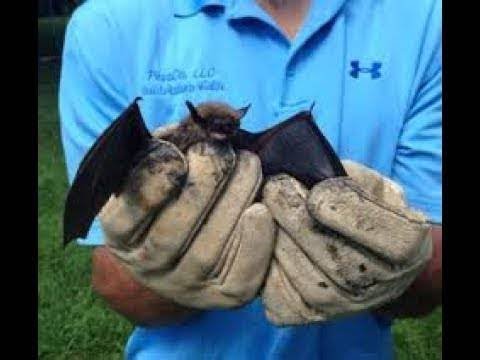
Old houses hold stories, charm, and memories. But sometimes, they also hold unexpected guests — bats. Because older homes often have gaps, cracks, and weak rooflines, bats can easily sneak inside. Once they find a quiet attic or chimney, they settle in fast. And since they live in colonies, one bat usually means many more are nearby.
When bats invade, homeowners often feel scared or unsure of what to do next. But the good news is that professional Delaware County bat removal services can safely and humanely keep bats out for good. This blog explains how experts prevent bats from invading old houses, why prevention is essential, and what simple steps you can take to protect your home. Let’s explore how these services make your home safe, calm, and bat-free again.
Why Old Houses Attract Bats and How Delaware County Bat Removal Services Handle It
Older homes often attract bats due to their unique architectural features. Cracked bricks, loose tiles, and old wooden beams create perfect hiding spots. Also, attics and barns stay warm and dark — just what bats love. Professional bat removal services inspect every inch of your home to find entry points. Then, they use tools like thermal scanners and night vision cameras to locate colonies. Because bats can hide behind walls or under eaves, finding them takes skill and care.
How Bats Sneak Inside Old Homes
Even though bats don’t chew like rodents, they are sneaky. They slip through tiny gaps around vents, windows, chimneys, or loose shingles. Because many homeowners rarely visit their attics, bats can go unnoticed for months.
Here’s where bats often get in:
-
Broken roof vents or flashing
-
Cracks near chimneys
-
Gaps behind wooden siding
-
Spaces under loose roof tiles
Every night, bats fly out to feed. But they always return before dawn. Because they love routine, they’ll keep coming back unless professionals step in to block access.
The Humane Way Experts Remove Bats
Modern bat removal services don’t harm bats. Instead, Delaware County bat removal services use safe exclusion methods that protect both people and wildlife. Since bats are protected in many states, it’s illegal to kill or trap them.
Here’s how the humane process works:
-
Inspect the home during daylight to find all entry points.
-
Install one-way exclusion devices on those spots.
-
Wait several days to ensure all bats leave.
Because the goal is to keep your home safe without disturbing nature, professionals adhere to strict ethical and safety guidelines.
Why You Should Never Try DIY Bat Removal
Many homeowners try to handle bats on their own. They might use sprays, lights, or loud music. Unfortunately, these methods rarely work. In fact, they can make things worse. Bats can panic when disturbed and move deeper into walls. Some may even find new ways in.
Also, touching bats without gloves is dangerous. Rabies, although rare, remains a risk. Therefore, professional help is always safer. Experts wear protective gear, understand bat behavior, and use safe equipment to ensure their safety and the safety of the bats. Due to their training, they can remove colonies efficiently without causing harm.
“DIY removal often leads to bigger infestations and costly home repairs later.”
How Sealing and Cleanup Keep Homes Bat-Free
Once the bats are gone, the real work begins. Bat droppings, also known as guano, can cause unpleasant odors, stains, and even respiratory problems. Professionals at Delaware County bat removal services clean the space carefully using safety masks and vacuums with HEPA filters. Then, they sanitize the area to prevent the growth of mold and bacteria. After the cleanup, they seal every possible entry hole. The sealing process includes:
-
Caulking gaps and cracks
-
Replacing loose tiles
-
Installing chimney caps
-
Repairing vents
This final step is vital because even one missed spot can invite bats back.
Seasonal Bat Activity and What It Means for Old Houses
Bats are more active in warm months. During spring and summer, they search for places to raise their young. That’s why many infestations happen between May and August. Because young bats can’t fly right away, professionals avoid exclusions during the maternity season. Instead, they plan to remove it for late summer or early fall. In winter, bats hibernate. If your attic is warm, some may stay inside until spring. Therefore, early inspection helps prevent more significant problems later.
“The best time to act is before bats start breeding — prevention saves time and money.”
How to Prevent Future Bat Invasions
Prevention is the most important step after removal. Homeowners can do a few simple things to keep bats away:
-
Inspect your roof and attic at least twice a year.
-
Repair any small cracks or loose boards.
-
Install mesh over vents and chimneys.
Regular home maintenance, especially in older houses, goes a long way, as small repairs today can prevent major infestations tomorrow.
Why Professional Inspection Matters Every Year
Even after sealing your home, an annual inspection helps ensure long-term safety and security. Professionals check for new damage caused by weather, animals, or time. They also make sure bats haven’t found new entry points. Most Delaware County bat removal services offer maintenance packages for peace of mind. Since every house ages differently, customized plans keep homes protected throughout the year.
When homeowners stay proactive, they protect both their homes and the wildlife outside.
