


Understanding the Wood Burning Fireplace Bylaw in Vancouver BC
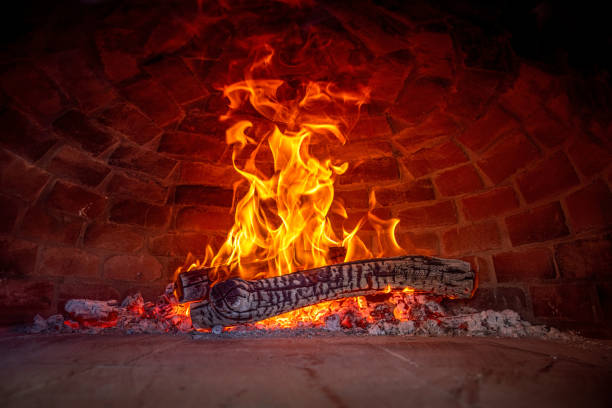
A wood-burning fireplace offers warmth, ambiance, and a nostalgic atmosphere that many homeowners love. However, operating one safely and responsibly means following city regulations that protect residents and improve air quality. That’s why understanding the Wood Burning Fireplace Bylaw in Vancouver BC is extremely important for anyone who enjoys using a traditional fireplace in their home. The bylaw outlines clear rules for when and how wood-burning fireplaces can be used to ensure safety and environmental sensitivity.
Instead of relying on assumptions or outdated information, homeowners benefit from knowing exactly what the bylaw allows — and what it restricts.
Why Vancouver Regulates Wood-Burning Fireplaces
Vancouver experiences seasonal air quality challenges, especially during colder months when many households use wood-burning heating appliances. Smoke from wood contains fine particulate matter that can affect both indoor and outdoor air. To balance comfort and safety, the city introduced regulations to help reduce smoke emissions while still allowing fireplace enjoyment under specific conditions.
Regulation isn’t about eliminating fireplaces — it’s about making their use cleaner and healthier for everyone.
Key Parts of the Bylaw Homeowners Should Know
The bylaw explains when a fireplace can be used, what types of fuel are allowed, and how fireplaces must be maintained. Homeowners who understand these requirements avoid fines and ensure safe operation.
The Wood Burning Fireplace Bylaw in Vancouver BC includes guidelines related to:
-
Seasonal restrictions on fireplace operation
-
Approved and prohibited types of wood and fuel
-
Proper maintenance to reduce smoke and emissions
-
Requirements for fireplace inspection or upgrades in some homes
-
Rules to prevent excessive visible smoke
These standards help protect both individual households and the community.
Seasonal and Conditional Use
Depending on the time of year and current air quality conditions, wood-burning fireplaces may be limited or temporarily restricted. During periods of poor outdoor air quality, the city may prohibit the use of fireplaces to protect individuals with respiratory sensitivities.
Weather-based restrictions help reduce unnecessary smoke when air quality is already compromised.
Approved vs Non-Approved Fuel Sources
Choosing the right firewood is one of the biggest factors that impacts fireplace emissions. Certain materials produce much more smoke and harmful particles than others.
Approved firewood choices typically include:
-
Dry, seasoned natural wood
-
Manufactured fire logs designed for low-smoke burning
-
Clean wood that hasn’t been painted or treated
Fuel sources to avoid include:
-
Green or unseasoned wood
-
Painted, stained, or pressure-treated wood
-
Garbage, plastics, or any household waste
Good fuel choices support the bylaw by helping fireplaces burn hotter, cleaner, and more efficiently.
Fireplace Maintenance Requirements
Even when used responsibly, fireplaces require regular care to operate safely. Creosote buildup, loose components, and poor airflow can lead to excessive smoke and even fire hazards.
Homes regulated by the Wood Burning Fireplace Bylaw in Vancouver BC are expected to maintain proper safety by:
-
Scheduling routine chimney inspections
-
Keeping the firebox and damper clean and functional
-
Ensuring the chimney has proper airflow
-
Removing creosote buildup before each burning season
-
Repairing cracks or deterioration immediately
Routine maintenance protects the fireplace structure while preventing air quality issues.
Consequences of Ignoring the Bylaw
Not knowing the regulations does not exempt homeowners from responsibility. Failure to comply can result in fines, warnings, and additional inspections. More importantly, misuse of a fireplace can lead to safety risks such as home smoke exposure, chimney fires, and air quality complaints from nearby residents.
Understanding the bylaw helps households stay safe and avoid unnecessary trouble.
Tips for Enjoying a Fireplace While Staying Compliant
Fireplaces can still be enjoyed safely with the right habits. These simple strategies help homeowners comply while keeping the warmth and comfort they love.
-
Burn only seasoned wood with low moisture content
-
Start fires with proper airflow to minimize smoke
-
Keep the glass doors slightly open for controlled ventilation
-
Avoid overloading the firebox with too much wood at once
-
Allow ashes to cool fully before removal and disposal
These small habits make a noticeable difference in both safety and emission levels.
Conclusion
Fireplaces are an important part of many Vancouver homes, and residents can continue to enjoy them responsibly with the right knowledge. Understanding the Wood Burning Fireplace Bylaw in Vancouver BC ensures that families enjoy safe, comfortable fires while protecting the air quality of their neighbourhoods. With proper fuel selection, ongoing maintenance, and awareness of seasonal restrictions, homeowners can relax and enjoy their wood-burning fireplaces confidently and responsibly.
