


Which Techniques Do Waxing Services Use for Hard-to-Wax Areas?
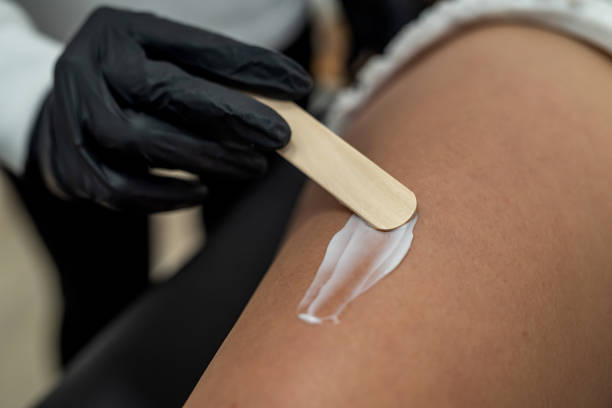
Hair removal can feel like a battle, especially in those tricky spots. Whether it's the underarms, bikini area, or facial zones, not all waxing methods work the same. That's where technique matters—big time. For those seeking smooth results without the mess or pain, it's also essential to understand how experts offering the best waxing services in Vancouver WA, handle those stubborn areas. So, what separates a smooth wax from a sticky situation? So, let's break down the techniques that experts trust—and clients love.
Understanding Hard-to-Wax Zones: Get the Best Waxing Services in Vancouver WA
Not all areas of the body are created equal when it comes to waxing. Some areas also have thick hair, soft skin, or curves that make waxing more challenging.
These include:
-
Bikini line and Brazilian areas
-
Underarms
-
Face (especially upper lip and chin)
-
Inner thighs
-
Back of the knees
These areas often require special care. The skin here can be more sensitive, so pain and irritation are more likely if not handled correctly. Moreover, professionals take a gentler, smarter approach in these cases. They also adjust their products and pace based on the area. Even the angle and pull matter. Pulling wrong can also cause bruising or broken hairs. That's why trained waxing pros know how to make it look easy—even though it's anything but.
Soft Wax vs. Hard Wax: When to Use What
Choosing the right wax type is key. Most salons use either soft wax or hard wax. But what's the difference? Hard wax works best for small, sensitive areas, such as the face or bikini area. It also grabs short, coarse hair and doesn't stick to the skin much. That means less pain. Soft wax, on the other hand, is ideal for larger areas, such as the legs and arms. Experts offering the best waxing services in Vancouver WA, apply thin wax and remove it with a cloth strip. It covers a larger area quickly but can be harsh on sensitive skin.
Professionals decide based on:
-
Skin sensitivity
-
Hair thickness
-
Size of the area
Here's a quick comparison:
|
Wax Type |
Best For |
Pain Level |
Removal Method |
|---|---|---|---|
|
Hard Wax |
Face, bikini, underarms |
Lower |
No strip needed |
|
Soft Wax |
Legs, arms |
Higher |
Cloth strip needed |
Experts often mix and match. That way, each area gets what it needs without causing more harm than good.
Skin Prep: Why It Matters More Than You Think
Prepping the skin makes a huge difference. Good salons don't just jump in with hot wax. They also get your skin ready first.
This usually means:
-
Cleaning the area with wipes or a solution
-
Trimming hair if it's too long
-
Applying a pre-wax oil to protect the skin
When the skin is clean and dry, the wax adheres better to the hair, not the skin. That also leads to a cleaner pull with less irritation. Some places even use numbing sprays for extra comfort. For areas like the face or bikini, prep can prevent breakouts or ingrown hairs later. It's not just about smoother results—it's also about happy skin.
Using Tension and Stretch Techniques
This might sound simple, but it's not. Creating skin tension is one of the most effective tricks for waxing hard-to-reach spots.
Pros use these methods:
-
Stretch the skin with one hand while pulling with the other
-
Adjust hand placement for curved areas
-
Use shorter wax strips for better control
-
Pull quickly and close to the skin, not upward
These tricks also help avoid tugging on loose skin, which can bruise easily. In areas like the underarms or bikini line, it's a must. By managing skin tension effectively, waxing becomes faster and less painful. It also reduces the risk of missed hairs or irritation.
Special Tools and Add-Ons for Sensitive Spots
Some waxing salons go the extra mile by using tools and products specifically designed for delicate areas. This also makes a big difference in comfort and results.
Waxing experts often use:
-
Cooling gels post-wax to reduce inflammation
-
Tweezers for stray hairs that wax misses
-
Hypoallergenic wax formulas
-
Hard wax that stays flexible and doesn't crack
-
Silicone spatulas for better wax application
These tools also help wax techs treat your skin with care. They're not just about removing hair. They also want you walking out feeling good, not sore. Using the right gear also shortens the service time, making the experience smoother and quicker.
Aftercare That Actually Works
Aftercare isn't just an extra step—it's also a part of the technique. Without proper care, you risk developing bumps, ingrown hairs, or itchy skin.
Top waxing pros recommend:
-
Avoiding tight clothes for 24 hours
-
Skipping hot showers, pools, or saunas
-
Applying aloe or witch hazel to calm the area
-
Gently exfoliating after two days
-
Using non-comedogenic moisturizers
They may also suggest you:
-
Book your next wax in 4–6 weeks
-
Avoid shaving in between sessions
-
Keep your skin hydrated
Aftercare helps results last longer and keeps skin smooth without the drama.
Why Skill and Experience Matter Most
Technique can't be faked. A trained waxing tech knows how to handle tricky spots with calm and care. They know when to pause, when to switch tools, and how to keep the client comfortable. Many clients notice how experts offering the best waxing services in Vancouver WA, focus on making the process as relaxing as possible—even for areas most people fear waxing.
A trained tech will:
-
Check in on your comfort
-
Know what wax to use where
-
Work quickly but gently
-
Give tips you can trust
That experience shows in the final result—smooth skin. No rash. And way less "ouch."
Smooth Results Start With Smarter Techniques
Hard-to-wax areas don't have to be scary. With the right techniques, great waxing also becomes easy and way less painful. From skin prep to post-care, every step matters. The key is choosing pros who know what they're doing. Therefore, more people trust Locks by Louise for reliable, skillful waxing that puts comfort first. Your skin deserves better than trial and error. So next time, go where technique meets care—and leave the rough spots behind.
