


Why Does VRF System Installation Fail Without Proper Load Planning?
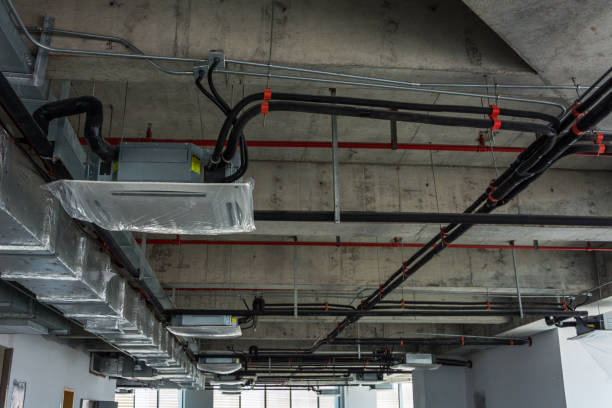
Installing a Variable Refrigerant Flow (VRF) system sounds like a smart move. You get energy savings, better comfort, and more control. But here's the thing—none of that matters if the load planning isn't done right. That one step can make or break the whole setup. And yes, even the VRF system installation in Bel Air CA, depends on this one simple but crucial process. So, what's the big deal with load planning? Let's break it down in simple terms that matter for homeowners, builders, and HVAC pros.
What is Load Planning and Why Does It Matter for VRF System Installation in Bel Air CA?
Load planning isn't a fancy add-on. It's the backbone of VRF installation. This process figures out how much heating or cooling each room or space needs. Skip it, and you're guessing. Without accurate numbers, the system also gets overwhelmed. It might short-cycle, wear out early, or just not cool or heat properly. That also means higher bills and less comfort. Nobody wants that.
Moreover, think of load planning as your system's cheat sheet. It tells the VRF where to work, how hard, and when to stop. Without it, your system is just flying blind. And trust us, blind guesses in HVAC never end well.
VRF Systems Are Not Plug-and-Play
Unlike basic HVAC setups, VRF systems are complex. They're meant to be flexible and energy-efficient. But that flexibility demands planning. These systems don't operate on a one-size-fits-all model. Every indoor unit connects to an outdoor one in a network that constantly adjusts to real-time needs. So, if the loads are off, the whole balance breaks down.
Even a small planning mistake can lead to uneven temperatures. One room may freeze while another feels like summer. That's not comfort—that's frustration.
The Chain Reaction of Bad Load Planning
Missing the mark on load planning doesn't just cause a little discomfort—it sets off a chain of bigger problems. One small error can also affect the entire system. Over time, what starts as a minor mistake can also lead to serious damage and high costs.
Here's how it plays out:
-
The system starts overworking.
-
Energy use spikes.
-
Repairs show up early.
-
Comfort goes down.
Worse, the wrong setup can also void warranties. Manufacturers also expect proper load calculations. If they're not done, you might not get help when things go wrong. So, that could mean thousands in repairs. It's not just about math—it's also about system survival.
Warning Signs Your Load Planning Missed the Mark
Sometimes the signs are right in front of you. But they're easy to miss unless you know what to look for. Before we get to the bullets, keep in mind that many people overlook these signs. They think the system "needs time." But that delay can cause long-term damage.
Watch out for these early red flags:
-
Temperature swings from room to room
-
Short cycling (unit turns off and on too quickly)
-
Indoor units are making unusual noises
-
Rooms that never reach the desired temperature
-
Rising energy bills without higher usage
Why Load Planning Matters Most in Complex Homes
Bigger homes or buildings with unique layouts need extra attention. VRF systems are great for them—but only with proper planning. When a home has high ceilings, glass walls, or mixed-use spaces, each area has different heating or cooling needs. A sunroom will also need more cooling. A basement? Not so much.
In these cases, bold load planning during the VRF system installation in Bel Air CA, helps avoid uneven airflow and temperature complaints. The right plan also helps the system stay efficient and quiet. So, this is where experience counts. A trained HVAC pro also knows how to factor in insulation, window size, sunlight, and more.
What a Good Load Plan Should Include
Now, let's talk about what a good load-planning process actually looks like. Don't settle for guesswork. A real HVAC tech will also look at every detail. But before you even get to those technical parts, understand that your home layout alone doesn't give the full picture.
Once they dig in, here's what they'll cover:
-
Total square footage per room
-
Sun exposure and shading
-
Room purpose (kitchen, bedroom, etc.)
-
Insulation level
-
Ceiling height
All this data is used to size the indoor units and match them to the right outdoor capacity. It's not guesswork—it's also science. Moreover, it's what helps your system work right from day one.
Common Load Planning Mistakes (and What They Cost)
Some errors are easy to fix. Others can be costly. Here's a quick look at what often goes wrong and why it matters:
|
Mistake |
What Happens |
Impact |
|---|---|---|
|
Ignoring insulation factors |
Rooms overheat or stay cold |
Poor comfort |
|
Skipping sun exposure analysis |
Uneven cooling in sunlit areas |
High energy use |
|
Overestimating load needs |
Oversized system, short cycling |
Higher wear and tear |
|
Using average room sizes |
Misses unique room demands |
Inaccurate equipment selection |
|
Not consulting a VRF specialist. |
Poor system design |
Reduced system lifespan |
Fixing these later is much harder—and expensive. So when it comes to proper VRF system installation in Bel Air CA, smart load planning avoids costly repairs, wasted energy, and hot/cold spots. It also pays off quickly.
Think Long-Term: Comfort, Savings, and System Health
It's not just about the install day. Load planning also shapes how well your system runs for years to come.
Get it right, and the system:
-
Uses less power
-
Runs quieter
-
Needs fewer repairs
-
Delivers steady comfort
A well-installed VRF system should also feel like it's not even there—just quiet, efficient, and always doing its job. That starts with a good plan. It's also better for the environment. Moreover, efficient systems reduce emissions and help save energy. So, that's a win for your wallet and the planet.
Don't Let One Step Ruin the Whole System
Here's the deal—installing a VRF system is a solid investment. But without proper load planning, you're setting yourself up for problems. It's also like building a house without measuring the foundation. Want long-lasting comfort and savings? Don't skip the planning.
When you're ready to install, work with HVAC pros who know what they're doing. Companies like AC Control Inc. understand how vital this step is. They'll also make sure your VRF system starts strong and stays reliable. So if you're planning an install, start smart. Plan the load—and the rest falls into place.
