


Why You Need a New Construction Home Inspection Before Closing
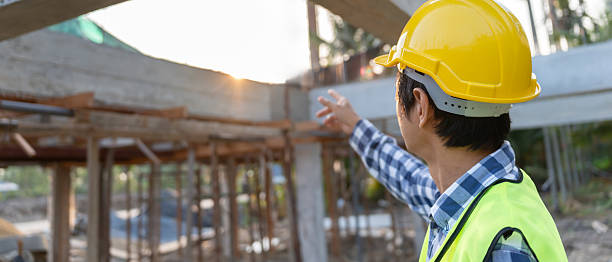
New homes are not flawless. Even brand-new houses can have defects that affect safety or comfort. Municipal building inspections focus on code and public safety. However, they are not quality checks for every detail of a buyer’s home. Independent inspectors often catch issues with drainage, wiring, or insulation before closing, which protects the buyer’s budget and peace of mind. Studies and reports show inspectors regularly find problems with electrical systems, plumbing connections, and HVAC setups in new builds. Therefore, a new construction home inspection in Buda TX helps confirm the house performs as promised. Moreover, it gives the buyer leverage to ask for repairs. Finally, it documents the home’s condition on day one, which is useful for warranties and any future claims.
City approvals aren’t enough, New Construction Home Inspection in Buda TX add protection
City inspectors verify code compliance. But building codes are minimum standards, not a promise of long-term quality or comfort. Additionally, some Texas cities even allow third-party plan reviews to keep projects moving, which shows how overloaded municipal systems can be. Therefore, smart buyers add an independent check before closing. It looks at details that matter to daily living and safety. It also creates a punch list the builder can address fast.
-
Code is the floor, not the goal.
-
Municipal visits are brief and limited in scope.
-
Independent inspections protect the buyer’s interests first.
A thorough new construction home inspection in Buda TX adds this vital layer of protection at the right moment.
What inspectors often find in new builds
Even fresh construction can hide problems. Common findings include grading and drainage mistakes that push water toward the slab. Inspectors also report loose plumbing connections, low water pressure, and miswired outlets. HVAC issues show up too, like undersized systems or faulty ductwork, which can raise energy bills. Additionally, minor drywall flaws may reveal larger moisture or framing concerns. Therefore, catching these issues before closing avoids surprises.
-
Grading, plumbing, and electrical defects show up frequently.
-
HVAC installation errors can increase costs and discomfort.
-
Cosmetic cracks sometimes point to bigger problems.
The money angle: fix small now, avoid big later
Repairs cost less when identified before move-in. Moreover, builders still have teams and trades active near closing. Therefore, they can correct defects faster and with less disruption. New home guides note that independent inspections help locate misaligned framing, poor insulation, and gaps that welcome pests or moisture. These fixes protect comfort and reduce future maintenance costs. Plus, inspectors can document safety hazards, like faulty wiring or gas issues, so they get resolved immediately. As a result, buyers avoid repeat service calls, damaged finishes, and stressful warranty debates. Finally, a clear punch list often prevents “small” problems from turning into big ones after furniture is in place.
How inspections support Texas warranties and contracts
Texas buyers often benefit from both express and implied warranties. Texas recognizes implied warranties, including habitability and good skillful performance, which expect a home to be fit for living and built to a reasonable standard. Some builders also provide written, limited warranties, especially with certain loan programs. However, warranties work best with clear evidence. An inspection report at closing documents defects and conditions on a fixed date. Therefore, it helps buyers pursue timely repairs under the correct warranty path. It also clarifies responsibilities between the builder and the buyer. Consequently, a new construction home inspection in Buda TX makes warranty conversations faster and more productive, because the findings are specific, dated, and supported by photos.
What a Texas inspection typically covers
Texas requires licensed home inspectors to follow the TREC Standards of Practice. These standards outline minimum requirements for inspecting structural, electrical, plumbing, and HVAC systems, plus other key components. Additionally, many inspectors go beyond the minimum and reference adopted local codes to inform their findings, which strengthens the punch list. Therefore, buyers receive a written report with material defects and helpful recommendations. Furthermore, this report becomes a practical guide for final walkthroughs. It ensures serious items get fixed first. It also supports follow-up checks after repairs. In short, a structured process backed by the TREC framework gives buyers clarity, confidence, and a fair way to verify the home is ready.
How to prepare for the inspection and walkthrough
Preparation saves time. First, confirm utilities are on for testing. Then, allow access to the attic, panel, water heater, and HVAC. Next, have the builder’s rep present, so decisions happen fast. Moreover, bring blue tape for cosmetic items; keep the formal list focused on functional issues. Additionally, schedule enough daylight for exterior grading, roof edges, and flashing views. If your home sits in an HOA community, expect shared features and rules; most new homes today are in HOAs, so this is common. Finally, plan a re-inspection if repairs are significant. Therefore, you close with proof that corrections are complete and safe. This approach reduces move-in stress and keeps small defects from dragging into the first year.
