


How to Test Alarms During Power Outages and Storm Season
Storms don’t send a calendar invite. The power can blink off, the internet can drop, and suddenly, your building is running on backups. That’s when alarms matter most. However, many people only test alarms on sunny days—when everything is easy. If you manage a business, an apartment building, or even a small office, you want to know one thing: will the alarms still work when the lights don’t? Because during storm season, a small problem can become a big one fast.
This guide keeps it simple. You’ll learn what to test, how to test it safely, and what to write down after. If you use fire alarm testing services in San Francisco CA, you’ll also know what to ask for and why it matters.
Fire Alarm Testing Services in San Francisco CA: Basics
Before you test anything, it helps to know the parts. Because if you don’t know what “normal” looks like, it’s easy to miss a warning sign.
Here are the basics in simple terms:
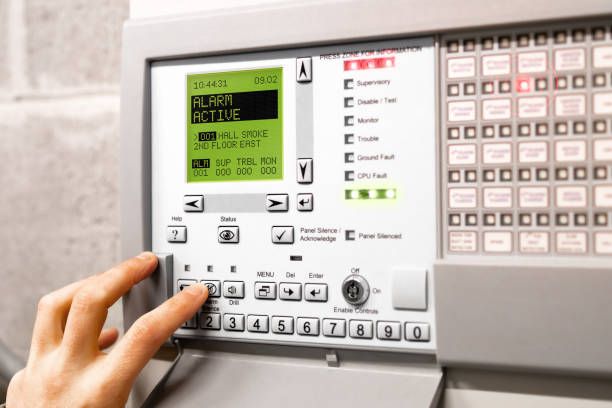
- Fire Alarm Panel: The “brain” on the wall. It shows trouble lights, alarms, and system status.
- Smoke/Heat Detector: The sensors that detect smoke or high heat.
- Notification Devices: Horns, speakers, and strobes. These warn people to get out.
- Backup Power: Usually batteries inside the panel. Some sites also have a generator.
A supervised system is one that “checks in” with itself. If a wire breaks or a device fails, it can show a trouble signal. “Trouble” means “something is wrong,” not “there is a fire.”
Many fire alarm testing services in San Francisco CA start with these basics, because they guide every safe test.
Know Your Backup Power Before Testing
Storm testing is really “power-loss testing.” Therefore, you want to understand what will keep the system alive when the main power drops.
Most fire alarm panels use standby batteries. Standby means the system can sit quietly on battery power for a long time, then still sound an alarm if needed. In simple terms, the batteries are the safety net.
Here’s what to check first:
- Find the panel and look for AC Power and Battery indicators.
- Check if there’s a trouble light already on. If yes, don’t ignore it.
- Look for a sticker or note that shows the last battery change date.
- If you have a generator, confirm it starts and transfers’ power.
If you’re unsure, this is one of the moments where fire alarm testing services in San Francisco CA can keep things safe and compliant.
Do A Safe Storm-Season Test Drill
You can test smarter without causing panic. However, you need a plan so people don’t think it’s a real emergency.
Quick Steps You Can Do Right Now
- Tell People First. Announce a test window and expected noise.
- Notify Any Monitoring Company. If your alarm calls a monitoring center, put it on test mode.
- Check Exits. Make sure exit paths are clear before you start.
- Test One Device. Use one pull station or an approved test method.
- Confirm Sound and Lights. Walk the area and listen/see.
- Reset The Panel. Make sure the system returns to normal.
- Record Results. Write what worked and what didn’t.
Because storms can cut power mid-test, keep it short and controlled. Also, never use real smoke unless you have the right tools and training. Instead, use manufacturer-approved test methods.
If your building has complex zones or voice systems, fire alarm testing services in San Francisco CA can run the full sequence without gaps.
Test The “Trouble” Signals, Too
Most people only test the loud part. Meanwhile, the quiet warnings are just as important.
A trouble signal is the system saying: “I have a problem.” During storms, trouble signals often show up because moisture, power surges, and weak batteries don’t play nice.
What to look for:
- Battery Trouble: Often means batteries are weak, old, or not charging properly.
- AC Power Trouble: Means the main power is gone or unstable.
- Communication Trouble: Means the panel can’t reach the monitoring service.
- Device Trouble: A detector, pull station, or circuit isn’t responding.
Here’s a simple rule:
If a trouble light stays on after the power comes back, don’t “hope it clears.” Therefore, log it and get it checked.
This is also why regular checks with fire alarm testing services in San Francisco CA, help—many storm issues show up during routine inspections first.
Don’t Forget Add-Ons People Rely On
A fire alarm system is often tied to other safety parts. Because of that, your test should include the things that help people get out, and first responders get in.
Common add-ons:
- Emergency Lights: They should turn on when power fails.
- Exit Signs: They should stay lit on battery.
- Door Holders: Some doors release when the alarm triggers.
- Elevator Recall: Elevators may move to a safe floor during an alarm.
- Sprinkler Supervisory Signals: Valve tamper switches and waterflow devices.
What To Check During Storm Season
|
Item |
What “Good” Looks Like |
Quick Check |
|---|---|---|
|
Panel Batteries |
No battery trouble light |
Check panel indicators |
|
Horns/Strobes |
Loud + visible in key areas |
Walk and confirm |
|
Emergency Lights |
Turn on during the outage |
Test push button |
|
Monitoring Link |
No communication trouble |
Confirm signal path |
Also, keep spare batteries for emergency lights if your models allow it. Even so, don’t swap fire panel batteries unless you’re trained—those systems have rules for a reason.
Keep Records So Problems Get Fixed
Testing is only half the job. The other half is proving that you tested, and knowing what to fix. Therefore, good notes make your next inspection easier and your building safer.
Use a simple log. You can keep it on paper or in a shared file. Just make sure it’s easy to find during an audit or after an incident.
What to write down:
- Date and time of the test
- Who ran it and who was notified
- What was tested (device or zone)
- What worked and what failed
- Any trouble codes shown on the panel
- What follow-up was scheduled
If you see the same issue twice, treat it like a real warning. Because storms stress systems, repeated issues often mean a part is near failure. Many fire alarm testing services in San Francisco CA, will provide clear reports after testing. That report is gold during compliance checks.
Storm-Proof Your Alarm Confidence
You don’t need fancy tools to start. You need a calm plan, a quick test, and a simple record. However, you do need to take warning lights seriously—especially during storm season, when power and communication can fail at the same time. Do one small check this week. Pick a test window. Notify people. Test one device. Then write down what happened. That’s real progress. If you want a steady partner who can help you test, document, and stay ready for outages, Fire and Electric Inc is a friendly call to make.