

How Long Do Teeth Veneers Last?
Teeth veneers have become a popular cosmetic dental treatment, offering a way to enhance the appearance of your smile. They are thin shells, usually made from porcelain or composite resin, that are bonded to the front surface of teeth to cover imperfections like chips, stains, and gaps. A common question that many people ask before opting for veneers is, “How long do teeth veneers last?” In this article, we will explore the lifespan of veneers, factors affecting their durability, and maintenance tips to ensure they last as long as possible.
Lifespan of Teeth Veneers
On average, teeth veneers can last between 7 to 15 years. However, some patients have reported that their veneers have lasted over two decades with proper care. The longevity of veneers largely depends on a combination of factors, which we delve into below.
1. Type of Veneers
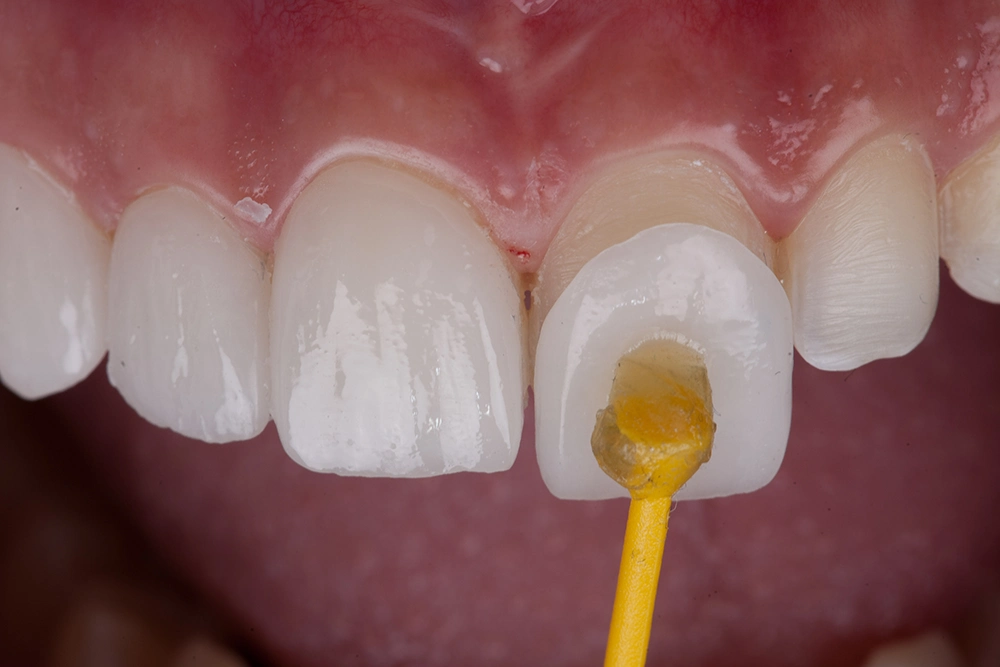
There are primarily two types of veneers: porcelain veneers and composite resin veneers.
-
Porcelain Veneers: These are more durable and can last anywhere from 10 to 15 years, with some lasting even longer. They are resistant to staining and have a natural appearance that closely mimics the translucency of natural teeth.
-
Composite Resin Veneers: These are generally less expensive than porcelain and can last about 5 to 7 years. While they can be stained by food and drinks over time, they are easier to repair if damaged.
2. Oral Hygiene Practices
Good oral hygiene is vital for extending the lifespan of veneers. Brush your teeth at least twice a day and floss daily to prevent plaque buildup. It’s also advisable to use a non-abrasive toothpaste to avoid scratching the surface of the veneers. Regular dental check-ups can help in maintaining oral health and assessing the condition of the veneers.
3. Diet and Lifestyle Choices
Your dietary habits can significantly impact the lifespan of veneers. Hard foods, such as ice or hard candies, can chip or crack your veneers. Additionally, acidic foods and beverages, including sodas and citrus fruits, can weaken the bonding material used to attach the veneers. Avoiding tobacco products can also help maintain the integrity of your veneers, as smoking can lead to discoloration.
4. Teeth Grinding
If you have a habit of grinding your teeth (bruxism), it can wear down the veneers more rapidly. Consider using a nightguard if you grind your teeth while sleeping. This simple protection can help extend the life of your veneers by preventing excessive wear and tear.
>>> See more: https://dentalinvietnam.com/how-much-is-dental-veneer-in-vietnam/
Signs That Your Veneers May Need Replacement
It’s essential to be aware of signs that indicate your veneers may need to be replaced. These include:
-
Chips or Cracks: If you notice any visible damage, consult your dentist for an assessment. Minor chips can sometimes be repaired, but significant damage may require replacement.
-
Discoloration: Over time, veneers may lose their luster or become discolored, especially composite resin types. If teeth whitening products do not improve the appearance, a professional evaluation is necessary.
-
Sensitivity: Increased sensitivity to hot or cold temperatures may signal that the bonding material is wearing away or that the veneer itself is compromised.
Maintenance Tips for Long-Lasting Veneers
To ensure that your veneers last as long as possible, consider the following maintenance tips:
1. Regular Dental Cleanings
Regular check-ups and cleanings with your dentist are crucial. Professional cleanings can remove plaque and tartar that can affect the longevity of your veneers.
2. Avoid Staining Foods and Drinks
Minimize consumption of staining substances like coffee, tea, red wine, and berries. If you do indulge, rinse your mouth with water afterward to reduce staining potential.
3. Use a Soft-Bristled Toothbrush
Using a soft-bristled toothbrush can help protect the surface of your veneers while effectively cleaning your teeth and gums.
4. Hydration
Staying hydrated helps maintain saliva flow, which can protect your teeth and veneers from decay and staining.

Conclusion
If you’re contemplating teeth veneers, understanding their lifespan and the factors that influence durability is essential. On average, porcelain veneers can last 10 to 15 years, while composite resin veneers may last about 5 to 7 years. Good oral hygiene, a healthy diet, and regular dental visits play a significant role in maintaining the longevity of your veneers. By taking special care and following maintenance tips, you can enjoy an aesthetically pleasing smile for many years.
In summary, if you are asking, "How long do teeth veneers last?" the answer varies based on several factors, but with the right care, you can maximize their lifespan and enjoy the confidence that comes with a beautiful smile.
>>> See more: https://gooddentalknowledge.wordpress.com/2025/11/28/can-you-get-veneers-with-bad-teeth-a-comprehensive-guide/