

How an Adjustable Standing Desk Helps Reduce Office Pain
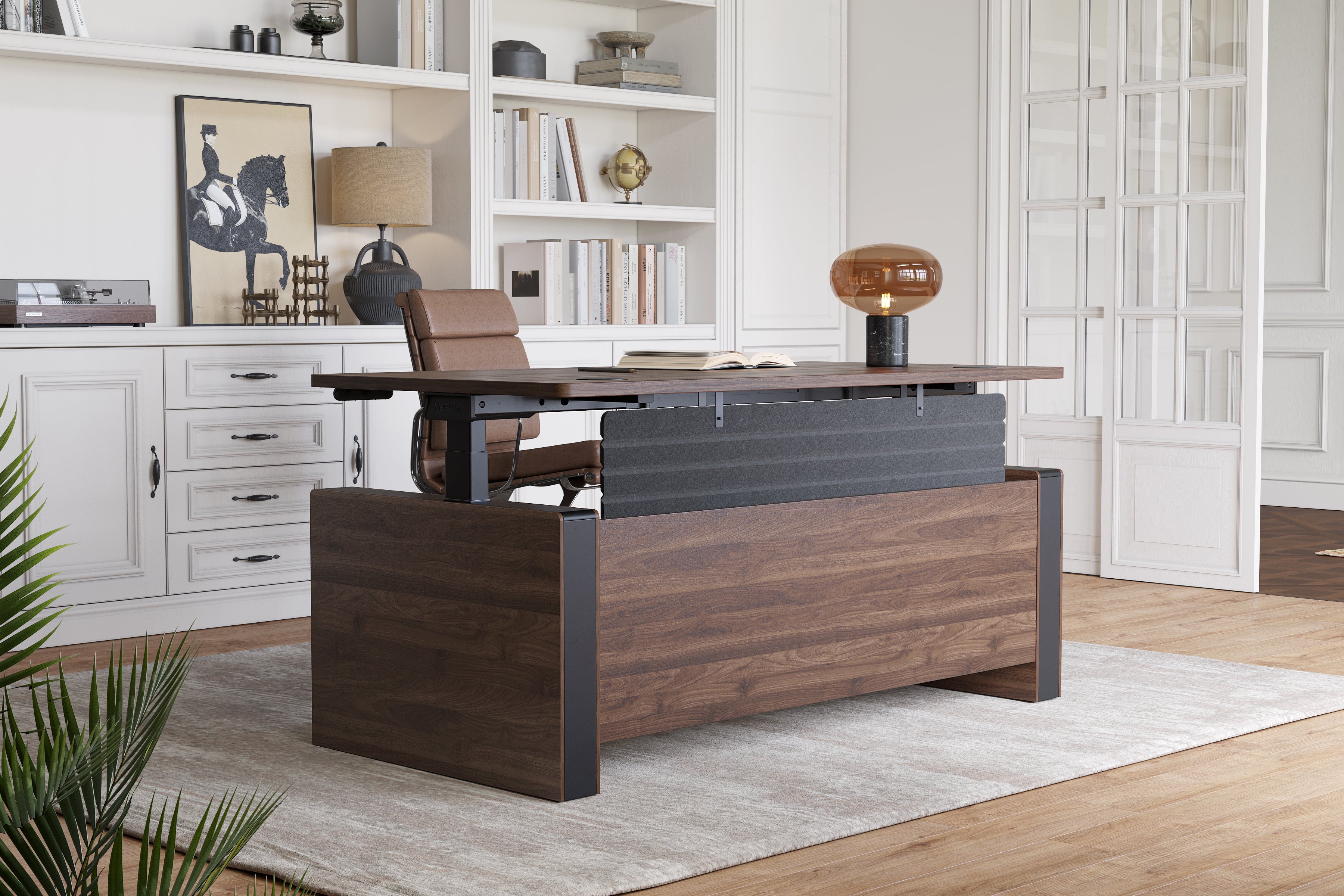
Office pain — from nagging lower-back aches to stiff necks and sore shoulders — is one of the most common complaints from desk workers. The good news: many of those issues are preventable or manageable with the right workstation. An adjustable standing desk gives you the flexibility to change posture throughout the day, which reduces static loading of muscles and joints and encourages healthy movement patterns. In this article we'll explain why adjustable desks work, outline proper setup and habits, and walk through features to look for when choosing a solution for your workspace.
The Standing Desk as a Clinical Tool
A standing desk is more than a trend — it’s an ergonomic tool that changes how the body bears load. Sitting for hours places prolonged pressure on the lumbar discs and shortens hip flexors. Standing periodically distributes forces differently across the spine and lower limbs, relieves pressure on the pelvis and activates postural muscles. Clinical studies and workplace ergonomists agree: alternating between sitting and standing reduces reported discomfort and increases perceptions of energy and focus.
That said, standing alone isn’t a cure-all. The biggest benefits come from switching positions regularly, maintaining correct monitor and keyboard heights, and combining standing with short, frequent micro-movements (stretching, walking to refill a glass, or brief calf raises).
Why a Stand Up Desk Encourages Movement
Stand up desks often make movement the default. When your surface adjusts easily, you’re more likely to change posture every 30–60 minutes. Those position changes interrupt the cycles of static muscle loading that cause fatigue and pain. Small adjustments — standing during emails, sitting for deep-focus tasks, then standing again for calls — break up prolonged static postures that lead to discomfort.
How a Vernal Standing Desk Fits Into a Pain-Reduction Plan
Brands that prioritize smooth, stable height adjustments make it easier to build healthy routines. A quality adjustable frame reduces wobble at standing height and supports accessories like monitor arms and keyboard trays. If you follow a prescribed sit-stand schedule, a dependable desk will feel like a seamless extension of that habit rather than an obstacle that interrupts focus.
Choosing the Right Adjustable Desk for Your Body
Not all adjustable desks are created equal. To reduce office pain, pick a model that covers your body dimensions and work needs. Key measurements include minimum seated height (so small users can place elbows at 90°) and maximum standing height (so tall users can work comfortably). Look for smooth, reliable lift systems, solid frame construction, and adequate load capacity if you use multiple monitors or heavy peripherals.
Features of the Best Adjustable Desk to Look For
- Wide height range: accommodates a range of users and sitting/standing positions.
- Memory presets: save preferred sit and stand heights for quick transitions.
- Stability at full height: minimizes wobble that can cause wrist/neck strain.
- Load capacity: supports monitors, laptop stands and accessories without sagging.
These elements combined make it far easier to adopt healthy posture without constant fiddling or ergonomic compromise.
Workspace Layout: The L Shaped Standing Desk Option
For multitaskers or designers, an L shaped standing desk can separate zones — one area for focused computer work and another for drawing or reference materials. Zone separation reduces the need to twist awkwardly or reach across cluttered surfaces, both common contributors to shoulder and back strain.
Upgrade to an Executive Standing Desk for Stability and Space
Executive models often provide larger surfaces and beefier frames that resist vibration and support heaviest setups. For people who use multiple displays or handle physical documents frequently, an executive desk offers the solidity that preserves good posture and minimizes compensatory movements that create pain.
Warmth, Feel and Practicality of a Wooden Standing Desk
Wood surfaces add tactile warmth and often offer thicker tops that resist flexing. A wooden desktop with a sturdy adjustable frame combines comfort and longevity. For many workers, an appealing workspace encourages better habits — keeping the desktop clear, using the desk as intended, and standing confidently instead of leaning into awkward postures.
Setup Habits That Reduce Pain
Buy the best hardware you can afford, but equally important are daily habits:
- Set monitor height: Top third of the screen should be at eye level to avoid neck flexion.
- Keyboard and mouse placement: Keep them close with forearms parallel to the floor.
- Alternate frequently: 30–60 minute intervals work well for many people.
- Use supportive footwear or an anti-fatigue mat: this reduces foot and lower-leg strain while standing.
- Move intentionally: take short walks, do counter stretches, or change foot placement frequently.
Combining an adjustable desk with these micro-habits helps break the chain of events that lead from minor stiffness to chronic pain.
Hear From Real Users: a Vernal Review Perspective
Before you invest, read verified user feedback. Reviews often highlight assembly quality, real-world stability, and longevity — all factors that influence whether a desk will help reduce pain over months and years. People commonly report reduced back pain and improved energy after switching to a stable adjustable setup, but confirm the details that matter for your body (height range, motor noise, warranty) in user reviews.
Practical Buying Checklist
Before purchasing an adjustable standing desk, verify:
- Height range fits your seated and standing needs.
- Surface depth allows correct monitor distance and arm support.
- Frame stability at full height supports your equipment.
- Warranty and service options are clear and reasonable.
- Accessories like monitor arms and keyboard trays are compatible.
Surgery
An adjustable standing desk is a highly effective tool for reducing office pain when paired with correct setup and movement habits. It shifts how the body bears load, encourages micro-movements, and helps you avoid the long stretches of static posture that causes many aches and pains. Pick a desk with a suitable height range and solid stability, organize your workspace intelligently, and adopt an alternating routine of sitting and standing. With the right equipment and habits, you can significantly lower discomfort and make the workday more comfortable and productive
.
