

Dental Implant Procedure: A Comprehensive Guide
Dental implants are a revolutionary solution for replacing missing teeth, offering a permanent and natural-looking alternative to dentures or bridges. If you’re considering a dental implant procedure, understanding the process, benefits, and recovery can help you make informed decisions about your oral health. This article provides an in-depth overview of the dental implant procedure, what to expect, and key insights to prepare you for treatment.
What Are Dental Implants?
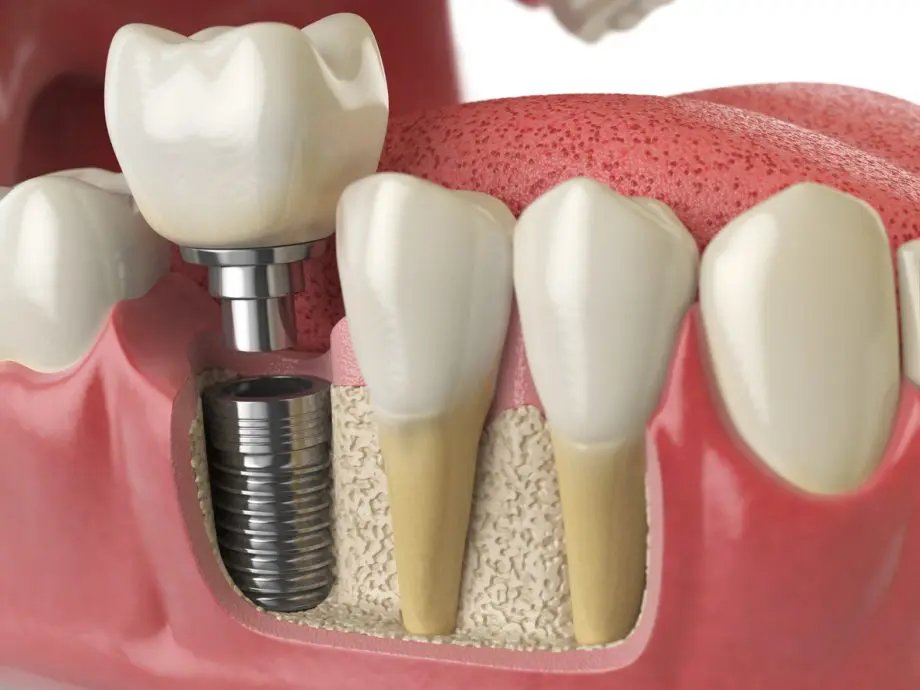
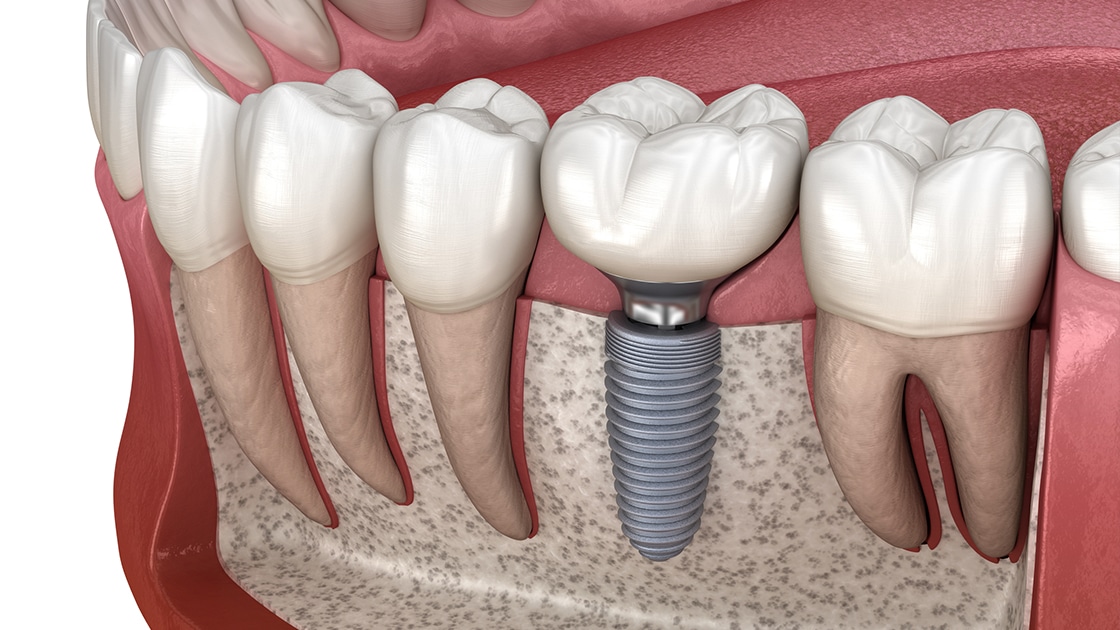
Dental implants are titanium posts surgically placed into the jawbone to serve as artificial tooth roots. They provide a sturdy foundation for fixed or removable replacement teeth designed to blend seamlessly with your natural teeth. The success of a dental implant largely depends on the quality of the jawbone and the patient's overall oral health.
>>> See more: https://dentalinvietnam.com/dental-implant-procedure/
Why Choose Dental Implants?
Dental implants offer several advantages over traditional tooth replacement options:
-
Natural Appearance: Implants are designed to look, feel, and function like natural teeth, restoring your smile and confidence.
-
Durability: With proper care, dental implants can last a lifetime, making them a cost-effective long-term solution.
-
Bone Preservation: Implants help prevent bone loss in the jaw, maintaining facial structure and preventing sagging.
-
Improved Functionality: Implants restore chewing function, allowing you to enjoy your favorite foods without discomfort.
-
Convenience: Unlike dentures, implants do not require adhesives and won't slip or shift, enhancing comfort and practicality.
The Dental Implant Procedure: Step-by-Step
1. Initial Consultation
The first step in the dental implant procedure is a comprehensive consultation with your dentist or oral surgeon. This appointment typically includes:
- A thorough dental examination
- X-rays or 3D imaging to assess bone density and jaw structure
- Discussion of medical history and dental goals
Your dentist will determine if you are a suitable candidate for dental implants and discuss the best treatment plan for your situation.
2. Treatment Planning
Once candidacy is established, treatment planning involves creating a personalized approach tailored to your specific needs. Factors considered include:
- The number of implants needed
- Any need for bone grafting or sinus lifts if sufficient bone is lacking
- The type of anesthesia to be used during the procedure
3. Surgical Procedure
The dental implant procedure generally consists of several stages:
Stage 1: Implant Placement
- Anesthesia: Local anesthesia or sedation is administered for your comfort.
- Incision: The dentist makes an incision in the gum to expose the bone.
- Drilling: Small holes are drilled into the jawbone, and titanium implants are inserted into these holes.
- Closure: The gum tissue is then sutured back over the implants.
This initial surgery typically takes one to two hours, and patients can go home the same day.
4. Osseointegration
After implant placement, a healing period of several months is necessary for osseointegration to occur. During this process, the jawbone grows around the implants, securing them firmly in place. Monitoring progress through follow-up appointments is essential during this period.
5. Abutment Placement
When osseointegration is complete, a minor surgical procedure to attach an abutment (the connector between the implant and crown) is performed:
- Anesthesia: Local anesthesia is applied.
- Incision: The gum is reopened to expose the implant.
- Abutment attachment: The abutment is fastened to the implant.
- Closure: The gum tissue is sutured around the abutment.
This procedure typically requires only a short recovery time.
6. Crown Placement
The final step involves creating a custom-made crown that matches your natural teeth:
- Impressions: Molds of your mouth are taken to craft the crown.
- Fitting: The dentist tries the crown for fit and comfort and makes necessary adjustments.
- Attachment: Once approved, the crown is securely attached to the abutment.
Recovery and Aftercare
Recovery following a dental implant procedure varies depending on the complexity of your case. However, general guidelines include:
- Pain Management: Over-the-counter pain relievers are often sufficient to manage discomfort.
- Avoid Hard Foods: Stick to softer foods during the initial healing phase.
- Maintain Oral Hygiene: Follow your dentist's instructions for cleaning and caring for the implant site.
- Regular Check-ups: Attend follow-up appointments to monitor healing and ensure the implant is functioning correctly.
Potential Risks and Complications
While dental implants are generally safe and effective, potential risks include:
- Infection at the implant site
- Nerve damage
- Sinus problems if implants are placed in the upper jaw
- Implant failure due to insufficient bone density or other medical conditions
Choosing an experienced oral surgeon can significantly mitigate these risks.
The dental implant procedure is a highly effective solution for replacing missing teeth, offering numerous benefits for oral health and quality of life. With careful planning, a skilled surgeon, and adherence to aftercare instructions, patients can enjoy long-lasting results and a restored smile.
If you're considering dental implants, consult your dentist to discuss your options and determine the best plan for your needs. A confident smile is a key to improved self-esteem and a better quality of life—don't hesitate to explore this transformative dental solution!
>>> See more: https://gooddentalknowledge.wordpress.com/2025/12/30/how-much-do-hybridge-dental-implants-cost/