


How Much Can Metal Roof Insulation Reduce Heat Gain in Summer?
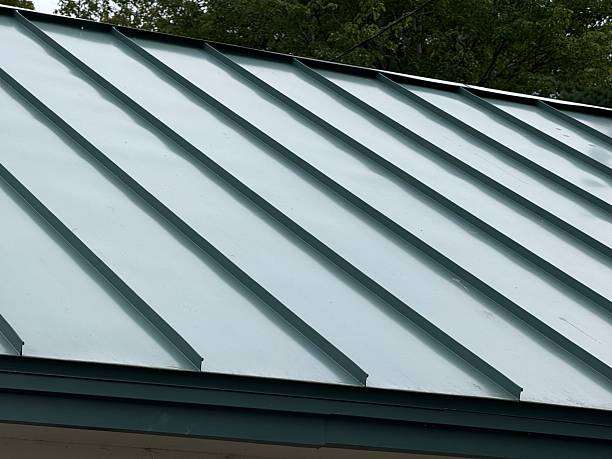
When the sun hits a metal roof, it heats up fast. That heat doesn’t just “stay up there.” It can move down into your attic, ceiling, and rooms. Then your AC works harder, your bills climb, and the house feels sticky even at night. The good news is this: metal roof insulation in Victorville CA, can make a real difference. Not a tiny one. A noticeable one you can feel.
However, the exact drop in heat gain depends on your roof setup, your attic airflow, and the type of insulation you use. So instead of throwing random numbers at you, I’ll walk you through what actually changes in summer, what results are realistic, and what you can do today to get more comfort for your money.
Metal Roof Insulation in Victorville CA And Summer Heat Gain
Heat gain is simple. It’s the amount of heat that moves into your home. In summer, most of it comes from the roof and the sun.
Metal roofing heats up quickly because it’s thin and conducts heat well. Meanwhile, insulation slows that heat down. Think of insulation like a thick hoodie for your house. The sun still hits the roof, but less heat reaches your living space.
What You Can Expect In Real Life
If your roof area is under-insulated (or not insulated at all), adding insulation can significantly reduce heat entering the attic and the rooms below. Many people notice:
-
The upstairs stays cooler in the afternoon
-
The AC turns on less often
-
The ceiling doesn’t feel “hot” to the touch
-
Bedrooms cool down faster at night
Even so, insulation works best when it’s paired with good airflow and solid sealing. We’ll cover both.
How Heat Moves From Roof To the Rooms
Heat moves in three main ways. Once you know this, the “why” behind summer comfort becomes easier to understand.
Conduction
This is heat moving through a solid thing. Metal is good at conduction. Therefore, a hot roof can warm the parts under it.
Radiation
This is heat traveling like sunlight. A hot metal roof can “radiate” heat downward into the attic space.
Convection
This is heat moving through the air. Meanwhile, a hot attic air mass can spread heat to ceilings and ductwork.
Here’s the key: insulation mainly slows conduction, and some types also help with radiation. Because of that, the right insulation choice depends on your roof build and attic style.
One more term you’ll hear: R-value. It means “how well insulation resists heat flow.” A higher R-value usually means better heat blocking.
Why R-Value Helps, But Doesn’t Solve Everything
R-value matters. It’s a big part of how much heat your home blocks. But it isn’t the only part. If your attic has air leaks, hot air sneaks in, and cool air leaks out. Then even high insulation can underperform. Also, if your attic has weak ventilation, heat gets trapped and keeps baking the space.
Here’s a simple way to picture it:
-
Insulation slows the heat moving through materials
-
Air sealing stops heat from moving through gaps
-
Ventilation lets trapped heat escape
So, yes—more R-value often reduces summer heat gain. However, sealing and venting decide whether you actually feel the improvement. One more thing: ducts in a hot attic can act like “heat sponges.” Therefore, lowering attic temperatures can reduce the amount of heat your cooled air picks up before it reaches your rooms.
Best Insulation Choices for Summer Comfort
Different insulation types fight heat in various ways. Some mainly resist heat flow. Others also reflect radiant heat.
Below is a quick comparison that can help you decide.
|
Option |
Best At |
Watch Outs |
Where It Fits |
|---|---|---|---|
|
Radiant Barrier (Foil) |
Blocking radiant heat |
Needs an air gap |
Hot, sunny climates |
|
Fiberglass / Mineral Wool |
Affordable R-value |
Can sag if installed wrong |
Attics, between framing |
|
Spray Foam |
Air sealing + R-value |
Costs more |
Tight spaces, air leaks |
If your attic gets brutal in the afternoon, a radiant barrier can help by reflecting heat rather than absorbing it. Meanwhile, fiberglass or mineral wool helps by slowing heat flow through the ceiling plane.
In many homes, a combo works well: a good base of insulation plus air sealing, and sometimes a radiant barrier for extra summer relief.
Quick Checks You Can Do Today
You don’t need special tools to spot common issues. You need 15 minutes and a flashlight.
Here’s a mini checklist you can do right now:
-
Check attic temperature: If it feels like a sauna, your roof system is feeding heat into the space.
-
Look for bare spots: Any exposed ceiling areas between joists are weak points.
-
Find air leaks: Look around attic hatches, light fixtures, and plumbing stacks. If you see gaps, seal them.
-
Inspect ductwork: If ducts are uninsulated or leaky, they may be losing cool air.
-
Check ventilation: Look for soffit vents (low) and ridge or roof vents (high). You want both.
Because small gaps add up, sealing often gives fast results. Also, fixing one “big leak” can feel better than adding a little insulation everywhere. If you’re upgrading metal roof insulation in Victorville CA, start with these checks so your improvements actually pay off.
How Much Cooler Will Your Home Feel?
Let’s talk results in plain language.
If your home has little to no insulation under a metal roof, adding the right insulation often makes the upstairs feel noticeably cooler in the late afternoon. Many people report that the “constant heat press” feeling goes away. Also, the AC cycles less, especially during peak sun hours.
If you already have decent insulation, the gains are still real, but smaller. In that case, the best improvements usually come from:
-
sealing attic air leaks
-
adding insulation to reach the recommended level for your area
-
improving attic ventilation
-
managing radiant heat if the sun is intense
Meanwhile, don’t expect insulation alone to fix comfort problems caused by old windows, undersized AC, or high indoor humidity. It helps a lot, but it’s part of a bigger comfort puzzle.
A smart metal roof insulation in Victorville CA, setup can reduce heat gain enough that your home feels steadier all day, not just in the morning.
Small Moves That Boost Insulation Results
Once insulation is in place, a few extra moves can make it work harder.
Add A Radiant Heat Plan
If your attic is sun-baked, consider a radiant barrier or reflective layer. It reduces radiant heat load, which is a big deal under metal roofs.
Don’t Skip Air Sealing
Seal attic bypasses before you add more insulation. Otherwise, you’re insulating “around” a leak.
Keep Vent Paths Clear
If insulation blocks soffit vents, air can’t enter. Therefore, the attic stays hotter. Use vent baffles to keep airflow open.
Use The Right Depth
Insulation needs the right thickness to hit its R-value. Also, avoid compressing fiberglass, because that lowers performance.
If you’re trying to get the best summer payoff, treat the metal roof insulation in Victorville CA like a system: insulation + sealing + ventilation. That combo usually delivers the most comfort per dollar.
Conclusion
Insulating a metal roof for summer is about slowing the heat before it reaches your rooms. Do that well, and the house feels calmer in the afternoon. Your AC also gets a break, which can show up on your bill. Start with the quick checks, seal the obvious leaks, and make sure the attic can breathe. Then choose insulation that matches your roof style and sun exposure.
If you want a steady hand with the planning, Alpha Insulation can help home-service businesses like yours turn this kind of practical advice into calls and booked jobs—without making it feel salesy.