




238 x 160
EMT Stethoscope Comparison: Lightweight II vs Classic III
Effective physical assessment serves as the vital first step in establishing a patient’s clinical narrative and determining the necessary course of care.
The 3M Littmann lightweight ii and the classic iii represent the gold standard for practitioners who require precision during these initial diagnostic encounters.
Clinicians must rely on their equipment to filter out environmental noise while magnifying the subtle internal rhythms of the human body. Selecting an instrument that aligns with specific professional demands ensures that every breath and heartbeat is captured with absolute clarity.
Mastering the nuances of auscultation requires a combination of rigorous training and a deep understanding of acoustic emt school supplies. These core competencies form the essential foundations of physical assessment, providing the framework upon which all subsequent medical decisions are built.
Strategic Gear Integration for Frontline Care
MedTechKits is dedicated to streamlining the transition from training to the field by providing meticulously curated gear for emergency responders.
Every professional medkit curated by the organization serves as a testament to the belief that high-quality diagnostic tools should be accessible to those on the front lines of patient care.
By focusing on the specific needs of EMTs and clinical students, the brand ensures that each component meets the highest standards of durability and performance.
Entry-Level Excellence: The Lightweight II S.E.
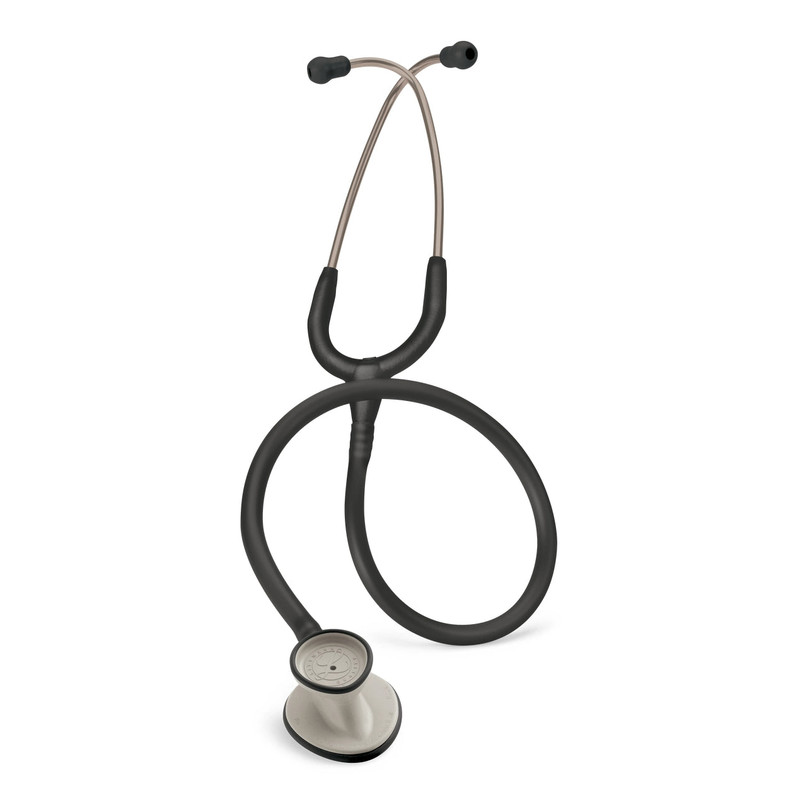
The littmann lightweight ii se stethoscope available through MedTechKits represents a strategic entry point for professionals seeking a dependable instrument that does not compromise on essential features.
It is specifically engineered to provide clear acoustic feedback while remaining accessible for students and early-career practitioners.
By focusing on the core necessities of auscultation, this instrument allows users to master the basics of sound identification without unnecessary complexity. Its construction emphasizes ease of use, ensuring that the focus remains entirely on the patient during the assessment.
Weight Distribution and Long-Shift Comfort
The physical toll of carrying medical equipment for twelve hours or more necessitates a stethoscope that prioritizes ergonomic efficiency and minimal weight. At only 118 grams, the lightweight II is designed to rest comfortably around the neck without causing strain or discomfort.
A comfortable clinician is often a more effective clinician, as the absence of physical distraction allows for better concentration during patient interactions. The resilient yet flexible materials used in the headset allow for a customized fit that prevents ear tip soreness during frequent use.
Practical Applications in EMS and Nursing
In the dynamic environments of emergency medical services and bedside nursing, equipment must navigate unique physical obstacles such as bandages and blood pressure cuffs.
The teardrop-shaped chestpiece of the lightweight II is specifically designed to slide easily under cuffs for rapid and accurate blood pressure readings. Beyond its physical shape, the non-chill rim ensures that patient comfort is maintained even in outdoor clinical scenarios.
Advanced Diagnostic Capability: The Classic III
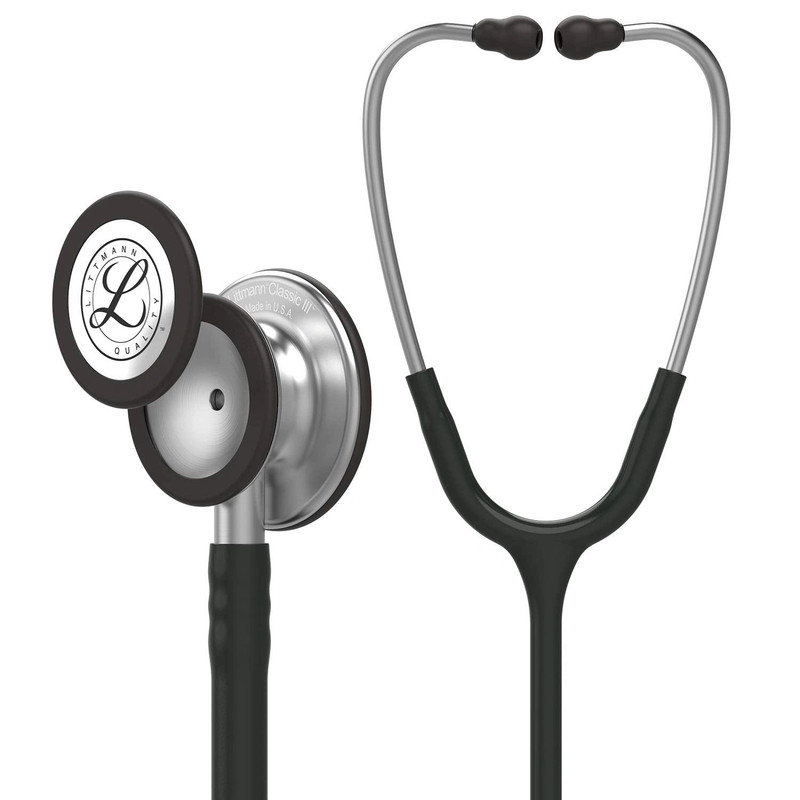
The littmann classic iii stethoscope from MedTechKits serves as a significant step upward in diagnostic power, offering the high acoustic sensitivity required for more detailed physical exams. Its robust construction reflects a commitment to higher-level clinical performance across various medical specialties.
Transitioning to this model provides the practitioner with a more sophisticated level of feedback during complex patient assessments. The stainless steel chestpiece is precision-machined to ensure optimal sound transmission and durability in demanding environments.
Sensitive Acoustics for Comprehensive Exams
Superior acoustic sensitivity is the defining characteristic of the classic iii, enabling clinicians to hear low and high-frequency sounds with exceptional clarity. This capability is essential for identifying heart gallops or faint respiratory crackles that might be missed with less sensitive equipment.
The robust architecture of the chestpiece minimizes ambient noise interference, which is often a challenge in busy hospital wards.
Adaptability Across Diverse Patient Demographics
One of the most versatile features of the classic iii is its dual-sided chestpiece, which accommodates both adult and pediatric patients with ease. The smaller side is specifically designed for thin or small-framed individuals, ensuring that the diaphragm makes full contact with the skin.
Furthermore, the pediatric side can be converted into a traditional open bell by replacing the diaphragm with a non-chill rim.
Acoustic Engineering: Understanding Tunable Diaphragms
Tunable diaphragm technology allows the user to hear different frequency sounds by simply adjusting the amount of pressure applied to the chestpiece.
Light pressure enables the clinician to hear low frequency sounds, while firm pressure reveals high frequency sounds without needing to turn the chestpiece over. This engineering feat removes the mechanical interruption of flipping the head, allowing for a more continuous and fluid assessment process.
Mastering these nuances is part of the rigorous training period; while students often ask how long does it take to become an emt, learning to distinguish subtle frequencies with tools like the lightweight ii or classic iii is a skill that develops throughout that entire educational journey.
Final Synthesis: Balancing Portability with Performance
Choosing the right stethoscope involves a careful evaluation of one's daily clinical environment and the specific needs of the patient population.
The lightweight ii offers unmatched portability and ergonomic advantages for routine tasks, while the classic iii provides the deeper diagnostic insight required for complex care.
The best tool is the one that integrates seamlessly into the provider's workflow while enhancing their ability to care for others. Whether prioritizing the featherweight design of an entry-level model or the dual-sided versatility of a diagnostic workhorse, the focus remains on the sounds of life.
Frequently Asked Questions
Q1. Can I still hear clearly through the lightweight ii if a patient is wearing thick gear or heavy clothing?
The teardrop chestpiece is designed to make placement easier in tight situations, especially during emergency calls. For the clearest sound quality, it is still best to place the chestpiece directly against the skin whenever possible.
Q2. How well does the classic iii handle really cold or harsh outdoor conditions?
The tubing on the classic iii is built to stay flexible even in cold weather conditions. It also resists moisture damage, which helps maintain long-term durability during outdoor use.
Q3. Is the pediatric side of the classic iii actually useful on adult patients too?
Yes, many EMTs and clinicians use the pediatric side for more focused assessments on adults. The smaller diaphragm works well for listening to carotid bruits or examining areas around injuries where space is limited.
Q4. How does the lightweight ii perform during emergency situations with a lot of background noise?
The lightweight ii performs well for routine checks like blood pressure readings and basic lung assessments. In louder environments, such as trauma scenes or active resuscitations, it may require more concentration to isolate softer sounds.
Additional Gear for Organized Fieldwork
1. Building Clinical Confidence with the Basic Clinical EMT Kit
2. Why MedTech Stethoscopes Are Ideal for EMTs and Paramedics