


How Premier Jewelry Buyers Value Diamonds in 2026
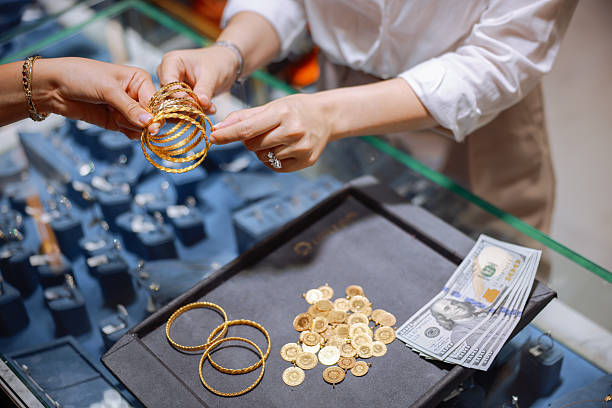
A one-carat diamond can vary a lot in price. That gap occurs because buyers consider more than just size. In 2026, many experts still rely on the 4Cs. They also look hard at market demand, lab-grown competition, and proof of origin. So, when premier jewelry buyers in Cypress TX, assess a diamond, they usually start with quality facts first. Then they compare those facts with live market conditions. That process helps them set a fair offer for sellers and a smart buying price for resale. Buyers today also pay closer attention to grading reports, because trust matters more when prices shift fast. As a result, sellers who know the basics often get better outcomes and fewer surprises.
Premier Jewelry Buyers in Cypress TX Lead Every Diamond Review
Most professional buyers still begin with the 4Cs. Those are cut, color, clarity, and carat weight. GIA says these factors remain the standard for describing a diamond. Because of that, buyers use them to compare stones in a clear way. Cut often matters most for beauty. A well-cut diamond reflects light better and looks brighter. Color also affects value, since less color usually means stronger demand. Clarity matters too, but not every small mark hurts value much. Carat weight still counts, yet size alone never decides price. Instead, buyers study how all four factors work together. That is why two diamonds with the same weight can sell for very different amounts. In many cases, balance matters more than one standout trait.
Why Cut and Shape Can Change the Offer Fast
Buyers often change an offer quickly after seeing cut quality and shape. That happens because beauty drives demand. A round brilliant usually has strong resale appeal. Fancy shapes can also do well, but demand changes faster.
-
First, a strong cut helps the diamond return light well.
-
Next, poor cut can make a large stone look dull.
-
Also, popular shapes may move faster in resale markets.
-
Then, rare shapes may need the right buyer to sell.
-
Finally, chipped edges or bad symmetry can lower the offer.
So, buyers do not just ask, “How big is it?” They ask how well it performs. If a stone looks lively, it often gets more attention. That simple visual difference can affect the final number a seller hears.
Certification Matters More in a Shifting 2026 Market
In 2026, grading reports matter even more than before. A trusted report gives buyers a common language. GIA says its grading helps create consistent results across the trade. Because of that, buyers usually place more confidence in stones with solid documentation. Reports can confirm the 4Cs and list key details clearly. They also help buyers compare one stone with another. Without paperwork, offers may drop because risk goes up. After all, a buyer may need to verify the stone again. That takes time and adds cost. In the middle of that review, premier jewelry buyers near Cypress TX often pay close attention to report dates and condition changes. A diamond may have the same report, yet damage since grading can still reduce value. So, papers help a lot, but the current condition still matters every time.
Natural and Lab-Grown Diamonds Now Follow Different Price Paths
The biggest 2026 shift is the wider gap between natural and lab-grown prices. De Beers reported that retail demand for natural diamonds stayed resilient. Yet lab-grown sales still affected the market. Trade reporting also showed weaker prices for many smaller stones. So, buyers now separate the two categories very clearly.
-
Natural diamonds often hold stronger resale interest.
-
Lab-grown diamonds usually face faster price declines.
-
Smaller stones have seen more pressure than larger stones.
-
Stones above one carat have held up better in some segments.
-
Buyers now explain these differences more directly to sellers.
Because of this split, sellers need realistic expectations. A lab-grown diamond may still have value, but the offer may be much lower than expected. Market supply plays a big role there.
Market Demand Shapes Real Offers More Than Many Sellers Expect
A diamond can grade well and still get a modest offer. That often surprises first-time sellers. However, buyers must think about resale speed and current demand. Rapaport reported that the 2026 market stayed cautious. It also noted that diamonds above one carat held firmer in some cases.
Meanwhile, smaller polished stones saw more pressure. That means timing can affect value. If demand is slow, buyers protect their margins more carefully. They must consider carrying costs, insurance, and the chance of a slower sale. In one part of the market, jewelry buyers Cypress may compete harder for natural stones with strong reports and popular specs. In another part, they may lower offers on common stones with weaker demand. So, a real offer reflects both quality and market mood at that moment.
Condition, Repairs, and Settings Also Affect Diamond Value
Many sellers focus only on the stone grade. Yet buyers also inspect the condition very closely. A chipped girdle, scratched facet, or loose prong can change the offer. These issues matter because repairs cost money and time. Also, damage can make resale harder. Mounted diamonds create another challenge. A buyer may need to remove the stone first. That step adds labor and some risk. So, the offer may reflect that extra work. Even then, a clean setting can still help if it adds gold value. Buyers usually separate the metal value from the diamond value. That keeps the review clear and fair. As a result, sellers should expect a full inspection, not a quick glance. In 2026, careful condition checks matter even more because buyers want fewer surprises after purchase.
Ethical Sourcing and Origin Questions Matter More Now
Buyers now ask more questions about origin and sourcing. That change comes from both consumer interest and trade pressure. De Beers says natural diamonds support jobs and communities across producing regions. While that does not set a direct price alone, it can shape buyer interest. Stones with clear sourcing details may feel easier to resell. Buyers also like clean documentation because it supports trust. In today’s market, premier jewelry buyers in Cypress TX often value that trust because it helps close deals faster. Some sellers do not have full origin records, and that is common. Still, any supporting paperwork can help the review. Buyers may also want to know if the stone is natural, treated, or lab-grown. Clear answers reduce risk. Therefore, sourcing and identity checks now play a bigger role in how buyers judge long-term resale value.
Smart Sellers Prepare Before They Ask for an Offer
Sellers can do a few simple things before meeting a buyer. First, they can gather grading reports and receipts. Next, they can clean the jewelry gently, without risky home fixes. Then, they can learn the basic 4Cs before the visit. That small effort helps them ask better questions. It also helps them understand why offers differ. Buyers respect prepared sellers because the conversation moves faster. More importantly, sellers can compare offers with better judgment. They should ask how the buyer weighed cut, clarity, and current demand. They should also ask whether the stone is easier or harder to resell today. Those answers reveal a lot. In 2026, good diamond pricing depends on facts, not guesses. For that reason, informed sellers usually feel more confident throughout the process. Houston Empire Gold Buyers would likely agree that knowledge gives sellers a real advantage.
