

How Long Does It Take to Learn Piano?
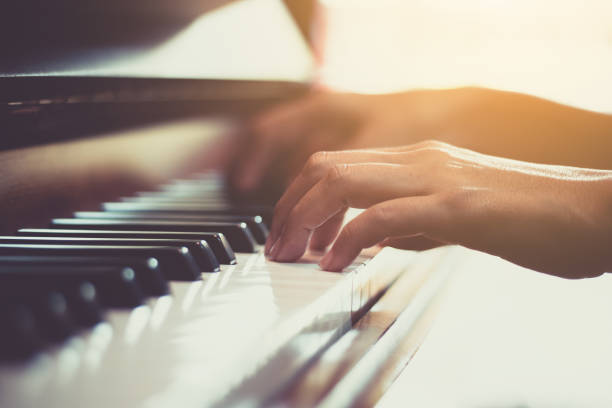
Most people asking this question aren't lazy. They're realistic. Before spending money on a keyboard, lessons, and a chunk of every Tuesday evening, you want to know if this is actually going to go anywhere. Fair enough. The honest answer is that it depends on what "learning piano" means to you, because playing "Happy Birthday" for a family dinner and performing a Chopin nocturne are genuinely different finish lines. That said, there are real patterns worth knowing. If you're searching for Piano Lessons in Carlsbad CA, understanding what progress actually looks like at each stage will help you set expectations that stick.
What "Learning Piano" Actually Means at Different Stages
This is where a lot of beginners go wrong. They assume learning piano is one big thing you either do or don't accomplish. It's not. There are layers, and each one takes different amounts of time and effort to get through.
Playing a simple song with both hands, at a slow tempo, in roughly the right rhythm? Most adults can do that within four to six weeks of consistent practice. Reading basic sheet music well enough to figure out an unfamiliar piece on your own? That usually takes six months to a year. Performing a full, polished piece confidently in front of other people? That's a different goal entirely, and it requires a lot more time spent on things that aren't as fun as playing songs, like scales, hand independence drills, and repetition of the same four bars until they feel automatic.
None of this is meant to discourage you. It's just useful to know which stage you're actually aiming for, because that shapes everything about how you should approach lessons and practice.
Realistic Timelines by Level
Weeks 1 to 12: The Beginner Phase
The first three months are mostly about getting your hands to do what your brain tells them. That sounds simple. It's not. You'll learn where the notes are on the keyboard, how to read basic notation, and how to play simple melodies with one hand and then, eventually, both hands together. By week 12, a student practicing four or five days a week should be able to play a handful of easy songs recognizably. Not perfectly, but recognizably.
Kids often pick up the physical side faster. Adults, honestly, tend to read music notation more quickly because they're used to processing symbols. Both groups hit frustration around week six or seven, which is when a lot of people quit. Push through that part.
One to Three Years: Intermediate Skills
This is where things get genuinely interesting. After a year or so of regular lessons and consistent practice, most students can read sheet music without stopping to decode every note, play pieces with actual harmonic movement, and start developing their own sound and style. Two to three years in, you're looking at someone who can sit down at a piano at a party and play something that sounds real. That's not a small thing.
According to research on skill acquisition, including work referenced in studies on deliberate practice, the quality and structure of practice matters far more than raw hours logged. Forty-five minutes of focused, goal-directed practice beats two hours of noodling around every time.
Advanced Playing: Three Years and Beyond
Advanced playing is a long road. Honestly, most people who start piano as adults don't need to go there, and that's totally fine. Getting to the point where you can play intermediate-level classical or pop repertoire cleanly is a genuinely satisfying place to land. For students who do want to reach an advanced level, expect five to ten years of consistent work. That's not a discouraging number. It's just the reality of building a complex physical and cognitive skill.
How Practice Frequency Changes Everything
Here's a concrete example. A child taking Private Piano Lessons in Carlsbad CA and practicing 20 minutes a day, five days a week, will typically outpace a child who practices an hour on Saturday and nothing else. Daily repetition is how the brain builds muscle memory. Short and consistent beats long and occasional, almost every time.
For adults, 30 minutes a day is a solid starting point. More is better, but only if you're actually focused during that time. Sitting at the keyboard while half-watching TV doesn't count. Real practice means slow repetition of the hard parts, not just running through the easy bits to feel good about yourself.
Kids under 10 do best with 15 to 20 minute sessions. Their attention spans are shorter, and that's not a flaw, it's just how kids work. Older teens can handle 30 to 45 minutes pretty comfortably once they're engaged in a piece they actually like.
Factors That Speed Up or Slow Down Progress
Prior musical experience helps a lot. A kid who already reads music from choir or plays guitar already has a head start on rhythm and notation. Instrument quality matters too. Practicing on a keyboard with weighted, touch-sensitive keys is a very different experience from practicing on a cheap toy keyboard with no resistance. The physical feedback shapes how your hands develop.
Consistency of lessons is probably the biggest single factor. Students who skip lessons frequently, or who switch teachers a lot, lose momentum in a way that's hard to recover from. And age? Younger students do have some advantages in terms of neural flexibility, but adults are often more self-motivated and better at following a teacher's instructions. Neither group has a lock on success.
If you're in the area and looking at options, Flute lessons with Rosalind is one local studio worth checking out, especially if your household has a student interested in more than one instrument.
Why Your Goal Matters More Than the Timeline
Two students can take Piano Lessons in Carlsbad CA for the same number of years and end up in wildly different places, because they had different goals from the start. One wanted to play hymns at church. The other wanted to write and record original songs. Both are valid. Neither is "better." But they require different practice priorities, different repertoire choices, and different conversations with a teacher.
Setting a specific goal early, even a rough one, gives your teacher something to build a plan around. "I want to play this song at my daughter's wedding in 14 months" is a better brief than "I just want to learn piano." The more specific you can get, the more useful your lessons become. A good teacher will help you figure out a roadmap that's actually based on your life, your schedule, and what you want to get out of this.
Private Piano Lessons in Carlsbad CA work best when the student and teacher are working toward the same target, not just moving through a method book page by page without any particular destination in mind.
Frequently Asked Questions
Can an adult really learn piano from scratch?
Yes, absolutely. Adults learn differently than kids, but not worse. They're usually more patient with slow progress and better at understanding the "why" behind exercises. Plenty of adults start in their 30s, 40s, or later and reach a level they're genuinely proud of.
How many lessons per week does a beginner need?
One lesson per week is standard for most beginners, and it's enough to make real progress as long as you're practicing between sessions. Two lessons a week can accelerate things, but most people's schedules and budgets don't support that long-term, and that's fine.
What's the youngest age a child can start piano lessons?
Most teachers will start working with kids around age 5 or 6, once they can follow simple instructions and sit still for 20 minutes or so. Some kids are ready at 4. It really depends on the individual child more than a fixed age cutoff.
Does the type of piano or keyboard matter for a beginner?
It does, more than people expect. You don't need a grand piano to start. But you do need a keyboard with weighted keys, at least 61 keys, and ideally touch sensitivity so the volume responds to how hard you press. Practicing on something too basic can actually build bad habits that are hard to undo later.
How do I know if I'm making progress?
Record yourself playing the same piece every few weeks. It's humbling sometimes, but it's the clearest way to hear actual improvement. Your teacher should also be giving you regular feedback on specific skills, not just general encouragement. If you can't point to something concrete you've gotten better at in the last month, that's worth talking to your teacher about.
The bottom line is that there's no single answer to how long this takes, but there's also no reason to go in blind. Know your goal, practice consistently, and find a teacher who builds a plan around where you actually want to go. That combination gets results faster than almost anything else.