

Build a Workout Routine You'll Actually Stick To
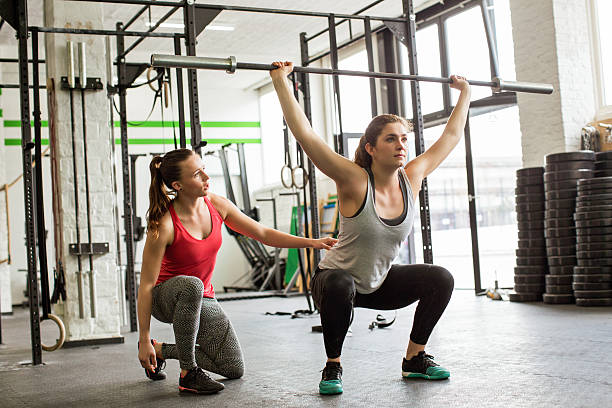
Starting a new routine feels exciting. You buy the leggings, download the app, maybe even meal prep on Sunday. Then week three hits, life gets busy, and the whole thing quietly falls apart. Sound familiar? Most women who've quit a fitness plan didn't quit because they lacked willpower. They quit because the plan wasn't built around their actual life. This guide walks through five honest steps to build something that sticks, not something that looks good on paper and collapses the moment work gets hectic. If you've been thinking about Sacramento Women's Personal Training Services, a lot of what's here applies directly to what a good trainer will walk you through from day one.
Step 1: Get Specific About What You Actually Want
Vague goals produce vague results. "Get fit" or "tone up" sounds fine until you need to decide what to do on Tuesday morning. Then you're standing in the gym with no plan, doing a random mix of things, and leaving feeling like you wasted your time. That feeling compounds. After a few sessions like that, skipping starts to feel easier than going.
Pick one goal. Just one. Something like: "I want to deadlift my bodyweight by October" or "I want to run a 5K without stopping by September." That kind of target tells you exactly what kind of training to do, how to measure progress, and when you've actually gotten somewhere. Specific goals also make it easier to notice when something's working, which matters more than most people think.
Step 2: Audit Your Real Schedule, Not Your Ideal One
Here's where most plans fall apart before they start. You build a four-day-a-week program around a life where you realistically have two free windows. Then you miss two days, feel behind, and give up entirely. Don't do that to yourself.
Sit down with your actual calendar. Not the version where everything goes smoothly, the version with the school pickups, the late work calls, the dinners you can't skip. Find the windows that exist most weeks, not the ones that appear once a month. Two solid training days per week beats four planned days where you only show up half the time. Honestly, two days done consistently for three months will change your body more than an aggressive schedule you abandon in six weeks.
A rough guide: two days a week works well if your schedule is unpredictable or you're just getting back into things. Three days is a solid middle ground for most women. Four days makes sense if you've been training for a while and have a genuinely flexible week. Start lower than you think you need to. You can always add.
Step 3: Choose a Training Format That Matches Your Goal
Not all workouts are equal, and doing random ones with no through-line is one of the most common mistakes beginners make. Cardio, strength training, and hybrid formats all do different things. Picking the wrong one for your goal slows progress and kills motivation fast.
Strength training builds muscle, improves metabolism over time, and is usually the most efficient option for body composition changes. Cardio-focused training is better if you're working toward an endurance goal like running or cycling. A hybrid approach, mixing both, works well for general fitness if your goal is more about feeling good and staying healthy than hitting a specific performance target. The key thing is to pick a format and stay in it long enough to see what it does. Jumping between programs every two weeks means you're always in the adjustment phase and never in the progress phase. According to research on physical fitness and training adaptation, the body needs consistent, repeated stimulus to actually change.
Step 4: Build a Simple 4-Week Progressive Structure
Progression is the part most self-built plans skip. They do the same workout over and over until it stops working, then wonder why nothing's changing. Your body adapts quickly. You have to give it a reason to keep adapting.
Here's a simple way to think about a four-week block. Week one is about learning the movements and keeping intensity moderate. Week two, you add a little more weight or one extra set. Week three, push slightly harder, maybe add a round or shorten rest periods. Week four, pull back a bit, lighter loads, fewer sets, so your body can recover and consolidate the gains. Then you start the next block at a slightly higher baseline than where you started the first one. That's it. Simple, but it works.
A basic three-day layout might look like this:
-
Monday: Lower body strength (squats, deadlifts, lunges)
-
Wednesday: Upper body strength (rows, presses, carries)
-
Friday: Full body or conditioning circuit
Swap days around to fit your week. The format matters more than the specific days you pick. Samera Fit uses a similar block-style approach with clients, building progression into the plan from the start so women aren't guessing what to do next or how hard to push.
Step 5: Set Up Accountability Before You Need It
Motivation is unreliable. It's high when you start and low exactly when you need it most, usually around week three or four when the novelty wears off and results aren't visible yet. That gap is where most routines die. You need something in place before you hit it.
Accountability checkpoints don't have to be complicated. A weekly check-in with a friend, a training log you actually review, or a standing appointment you've already paid for all work. The point is to create friction around quitting. When there's someone expecting you to show up, skipping feels harder than going.
Working with a Women Personal Trainer in Sacramento CA is one of the most practical ways to handle this. A good trainer doesn't just write your program. They notice when your form breaks down, when your energy's off, when you're about to plateau, and they adjust before things go sideways. That kind of early course-correction is what keeps a routine alive past the first month. A lot of women who've worked with a Women Personal Trainer in Sacramento CA say the biggest value wasn't the workouts themselves, it was having someone who caught the warning signs early.
Sacramento Women's Personal Training Services can range from one-on-one sessions to small group formats depending on what fits your budget and schedule. Either way, the structure and outside perspective make a real difference.
Frequently Asked Questions
How many days a week should a beginner work out?
Two or three days is plenty when you're starting out. More isn't always better, especially if you're not used to training. Consistency over several months matters far more than frequency in the first few weeks.
What if I miss a workout? Does that ruin my progress?
One missed session doesn't hurt anything. Missing two weeks in a row starts to matter. Don't try to make up lost sessions by doubling up. Just pick up where you left off and keep going.
Is strength training or cardio better for weight loss?
Strength training tends to produce better long-term results for body composition because it builds muscle, which raises your resting metabolism. Cardio has its place, but doing only cardio without any resistance work usually leads to slower progress and more muscle loss.
How long before I start seeing results?
Most women notice something within four to six weeks, usually energy levels and strength before visible changes. Physical changes take longer, often eight to twelve weeks of consistent work. That timeline is normal. Don't quit before you get there.
Do I need a personal trainer to make this work?
You don't need one, but having one makes it significantly easier to stay on track, especially in the first couple of months. A trainer can spot problems early, adjust your plan when life changes, and give you confidence that what you're doing is actually right for your goal.
The best routine is the one you can repeat next week, and the week after that. Start smaller than feels ambitious, build in checkpoints, and don't wait until you feel ready. You won't. Just start.
