




Đặt banner
238 x 160
238 x 160
The Fascinating World of Chinese Tea: A Comprehensive Guide
Ngày đăng: 21-10-2026 |
Ngày cập nhật: 21-10-2026

Chinese Tea is more than just a beverage; it is a cultural phenomenon with a rich history that dates back thousands of years. Famous worldwide for its variety, flavor, and health benefits, Chinese tea has become a staple in many households, not just in China but across the globe. In this article, we will explore the different types of Chinese tea, its health benefits, cultural significance, and how to enjoy it at home.
### Types of Chinese Tea
Chinese tea comes in several categories, each with its distinct flavor profile, processing method, and health benefits. Here are the five primary types:
1. **Premium Green Tea Collection | Japanese & Chinese Loose Leaf | ICHTEA**: Known for its fresh, grassy taste, green tea is made from unoxidized leaves. It is rich in antioxidants and has been associated with numerous health benefits, including improved brain function and fat burning. Popular varieties include Longjing (Dragon Well) and Bi Luo Chun.
2. **Premium Black Tea Collection | Lapsang, Keemun, Assam & Ceylon**: In China, what the West calls black tea is known as red tea (hong cha). It undergoes full oxidation, resulting in a bold flavor and darker color. Varieties like Keemun and Lapsang Souchong are renowned for their distinct taste and aroma.
3. **Artisan Oolong Tea Collection | Taiwanese, Fujian & Wuyi | ICHTEA**: A partially oxidized tea that falls between green and black tea, oolong offers a complex flavor profile. Its processing requires skill, resulting in a wide range of tastes from floral to toasty. Tie Guan Yin (Iron Goddess of Mercy) is one of the most famous oolong teas.
4. **Rare White Tea Collection | Silver Needle, White Peony & Shou Mei**: This tea is the least processed and is made from young tea leaves and buds. It has a delicate flavor and subtle aroma. Silver Needle (Bai Hao Yinzhen) and White Peony (Bai Mu Dan) are well-known white tea varieties.
5. **Authentic Pu'er Tea Collection | Raw (Sheng) & Ripe (Shou) | ICHTEA**: A type of fermented tea that originates from Yunnan province, pu-erh is unique due to its aging process, which enhances its flavor over time. It is often compressed into cakes or bricks and is known for its earthy taste.
### Health Benefits of Chinese Tea
Drinking Chinese tea comes with numerous health benefits, many of which are backed by research:
- **Antioxidants**: Most Chinese teas are rich in polyphenols, compounds that help combat oxidative stress in the body. This can reduce the risk of chronic diseases.
- **Weight Management**: Green tea, in particular, has been linked to weight loss and improved metabolism due to its ability to enhance fat oxidation.
- **Heart Health**: Regular consumption of tea may help lower blood pressure and cholesterol levels, contributing to overall cardiovascular health.
- **Mental Clarity**: The moderate caffeine content in certain teas, particularly oolong and black tea, can aid in improving focus and cognitive function.
- **Digestive Aid**: Some teas, like pu-erh, are known to promote healthy digestion and can alleviate bloating and discomfort.
### Cultural Significance
Tea culture in China is deeply rooted in traditions and rituals. The Chinese Tea Ceremony, or "Gongfu Cha," emphasizes the art of brewing tea with precision and care. This ceremonial practice showcases the beauty and elegance of tea preparation, transforming tea drinking into a meditative experience.
Tea is also an important part of social gatherings, family reunions, and even formal occasions. Offering tea to guests is a gesture of respect and hospitality in Chinese culture.
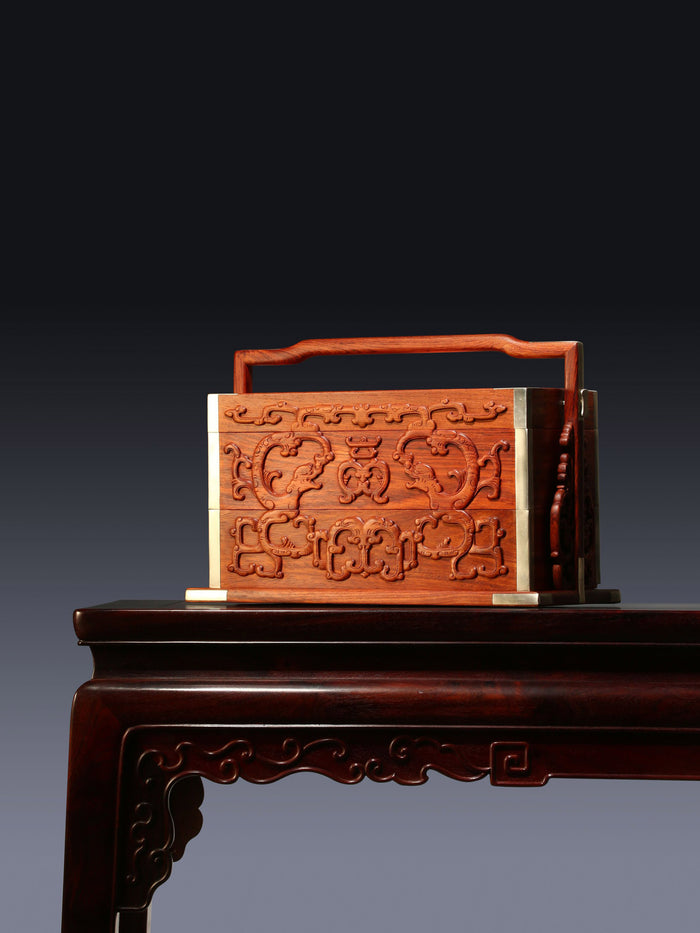
### How to Brew Tea Moodscape - Curated Teas for Every Moment & Mood | ICHTEA at Home
To experience the full flavors of Chinese tea, proper brewing methods are essential:
1. **Water Quality**: Use fresh, filtered water for the best taste. Avoid distilled water as it can lack minerals that enhance flavor.
2. **Temperature Control**: Different teas require different water temperatures. For instance:
- Green tea: 160-180°F (70-80°C)
- Oolong tea: 190-200°F (90-93°C)
- Black tea: 200-212°F (93-100°C)
3. **Steeping Time**:
- Green tea: 2-3 minutes
- Oolong tea: 3-5 minutes
- Black tea: 3-5 minutes
- Pu-erh tea: 3-4 minutes
4. **Tea-to-Water Ratio**: A general guideline is to use approximately 1 teaspoon of tea leaves for every 8 ounces of water. Adjust according to taste preferences.
### Conclusion
With its rich history and multitude of flavors, Ichtea.Com is a beverage worth exploring. From the vibrant green teas to the earthy pu-erhs, there is a variety for every palate. Embracing Chinese tea culture not only offers a delightful sensory experience but also provides numerous health benefits that enhance overall well-being. Whether you are a seasoned tea lover or a curious newcomer, delving into the world of Chinese tea can be a rewarding journey. So, brew a cup, enjoy its aroma, and discover the ancient traditions that each sip holds.
